Carrello
0
What Makes Argan Oil So Effective
Argan oil comes from the kernels of the argan tree, a species native to southwestern Morocco. Berber women have pressed this oil by hand for centuries, using it on skin, hair, and nails long before science caught up with the tradition. Vitamin E, essential fatty acids, and antioxidant compounds pack into every drop. Oleic and linoleic acids make up the bulk of its fat content, and these nutrients form the foundation of nearly every benefit linked to the oil.
A 2013 study cited by Healthline found that the antioxidant activity in argan oil protects skin from sun-related free radical damage, supporting a practice Moroccan women have relied on for generations. That single finding explains a lot about why this oil earned its reputation.
Argan Oil Benefits for Skin
Dry patches, dullness, and early signs of aging respond well to consistent argan oil use. Fatty acids penetrate the skin barrier and restore moisture from within, rather than sitting on the surface like heavier creams do.
Deep hydration. Argan oil locks in moisture without clogging pores. Dry and combination skin types both tolerate it well, since the oil balances sebum production rather than adding excess shine.
Reduced fine lines. Regular application supports collagen activity, which firms skin over time and softens the appearance of fine lines around the eyes and mouth.
Calmer, less irritated skin. Anti-inflammatory compounds in the oil soothe redness and itching. People managing eczema or sun-sensitive skin often notice less flare-up activity after switching to argan oil as a daily moisturizer.
Even skin tone. Antioxidants fight the free radical damage that causes dark spots and dullness. Skin texture improves gradually, and a more radiant, even complexion follows consistent use.
Argan Oil Benefits for Hair
Frizz, split ends, and a dry scalp share one root cause: moisture loss. Argan oil addresses that directly.
Stronger strands. The oil penetrates the hair shaft rather than coating it, delivering moisture from root to tip. Hair breaks less and holds up better against daily styling.
Frizz control and shine. A few drops smoothed over dry ends tame flyaways and add a natural sheen, without the greasy weight synthetic serums often leave behind.
Scalp relief. Anti-inflammatory and antimicrobial properties calm an itchy, flaky scalp. Dandruff-prone hair benefits from a scalp massage using a small amount of warmed oil once or twice a week.
Heat protection. A light layer applied before blow-drying or straightening creates a barrier that reduces damage from styling tools and environmental stress.
Argan Oil Benefits for Nails
Nails and cuticles dry out just as easily as skin does, especially in colder months or after frequent hand-washing.
Cuticle repair. Massaging argan oil into cuticles softens rough, cracked skin around the nail bed and reduces hangnails.
Stronger nail beds. Vitamin E supports nail flexibility, cutting down on the brittleness that leads to splitting and peeling.
Faster recovery after manicures. Acetone-based polish removers strip natural oils from nails. A nightly drop of argan oil restores that lost moisture and keeps nails looking healthy between treatments.
How to Use Argan Oil Daily
Consistency matters more than quantity here. A few practical habits go a long way:
-
Warm two or three drops between your palms and press into damp skin after showering.
-
Apply a dime-sized amount to hair ends before bed as an overnight treatment.
-
Massage a small amount into cuticles each evening as part of a nightly routine.
-
Mix a drop into your regular moisturizer for an extra hydration boost.
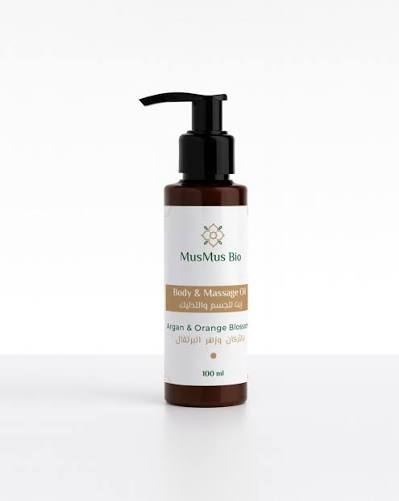
For a pure, cold-pressed option, MusMus Bio's argan oil collection offers sourcing straight from Moroccan cooperatives, which keeps the nutrient profile intact.
Who Should Be Cautious
Argan oil suits most skin and hair types, but anyone with a tree nut allergy should patch-test first. Apply a small amount to the inner wrist and wait 24 hours before using it on the face or scalp. Pregnant women and people with specific skin conditions should check with a dermatologist before adding any new oil to their routine.
Frequently Asked Questions
Does argan oil clog pores?
No. Argan oil carries a low comedogenic rating, which means it absorbs into skin without blocking pores for most people. Oily and acne-prone skin types generally tolerate it well.
Can argan oil help hair grow faster?
Direct evidence for hair growth remains limited. What the oil reliably does is reduce breakage and split ends, which allows existing hair to retain more length over time.
Is argan oil good for oily skin?
Yes. Argan oil helps regulate sebum production rather than adding to it, so oily and combination skin types often see less shine and fewer breakouts with regular use.
How often should you apply argan oil to your face?
Once or twice daily works well for most people, morning and night, after cleansing and before heavier creams.
Does argan oil expire?
Pure argan oil typically stays fresh for 12 to 18 months when stored in a cool, dark place away from direct sunlight. A rancid or sour smell signals it's time to replace the bottle.