Chariot
0
How to Use Nila in Your Skincare Routine
A striking blue color sets Nila apart from nearly every other traditional Moroccan skincare ingredient, and that unusual appearance has sparked curiosity for generations. Moroccan households have relied on this mineral-rich stone for brightening and clarifying skin long before modern skincare marketing discovered it. Understanding what Nila actually does helps separate genuine tradition from trendy repackaging.
This piece covers what Nila is, how Moroccan households have traditionally used it, and what it realistically does for skin brightening and tone.
What Nila Actually Is
Nila refers to a naturally occurring blue mineral stone, ground into a fine powder for skincare and cleansing use. The deep indigo-blue color comes from its mineral composition rather than any added dye, distinguishing it visually from nearly every other traditional beauty ingredient in Moroccan skincare.
Moroccan artisans have processed Nila into powder form for generations, incorporating it into soaps, face masks, and cleansing pastes. Its use predates modern skincare science considerably, rooted in traditional beldi hammam practices passed down through families.
Traditional Uses of Nila in Moroccan Skincare
Households historically combined Nila powder with water or rose water to create a paste applied directly to skin during hammam rituals. Left on for several minutes before rinsing, this paste targeted dullness and uneven tone as part of a broader weekly cleansing routine.
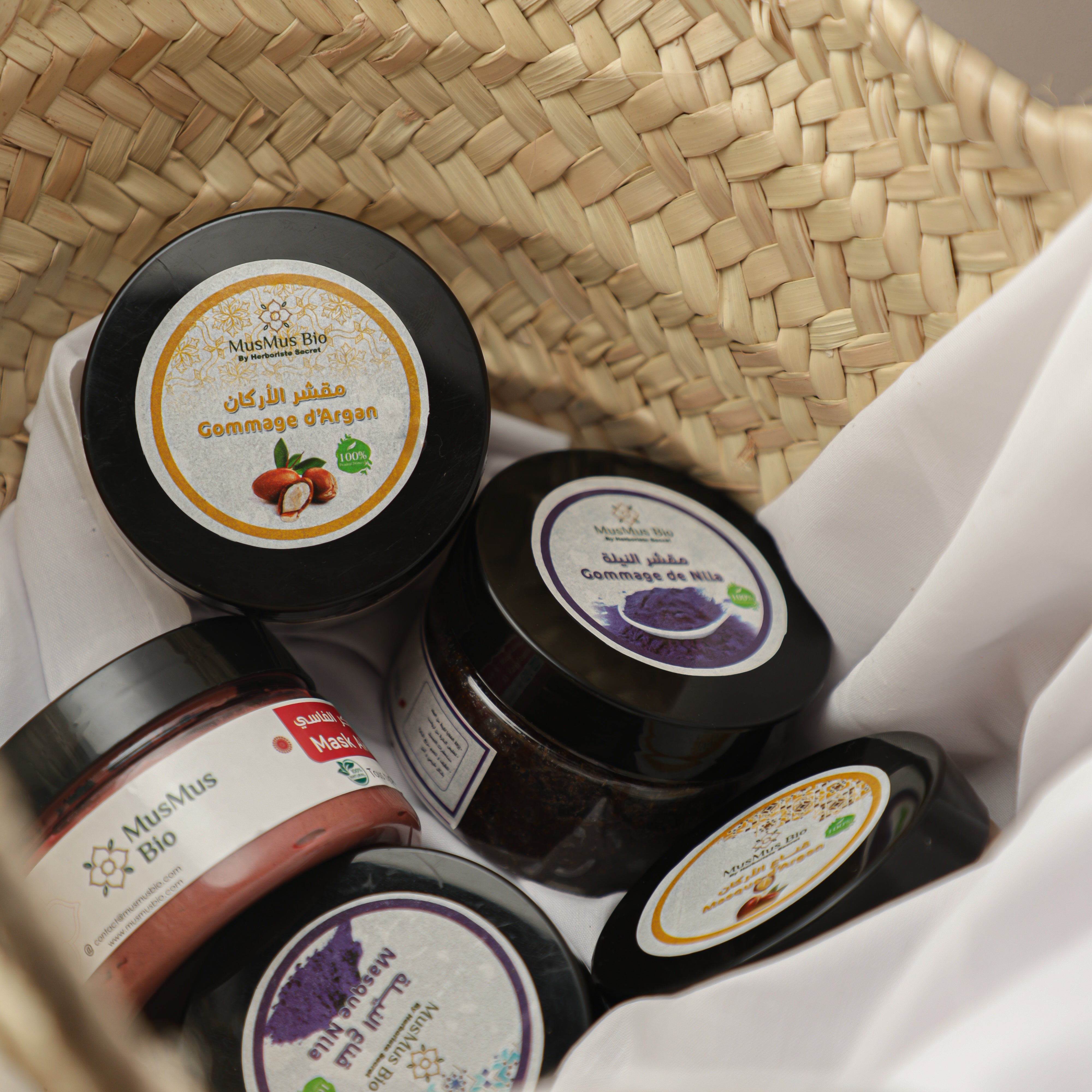
Nila Powder for Skin follows that same traditional preparation method, mixed fresh before each use rather than sold as a pre-made liquid. This approach mirrors exactly how generations of Moroccan families have prepared and applied the ingredient at home.
Soap makers eventually incorporated Nila into bar form too, blending the powder directly into soap bases for a gentler, daily-use version of the same brightening tradition. Nila (Moroccan Blue) Soap reflects this evolution, offering the same core benefit in a more convenient format.
What Nila Does for Skin Tone and Clarity
Nila's mineral content works primarily through gentle exfoliation and clarifying action, helping lift dullness and surface buildup that contributes to uneven skin tone. Regular use over weeks, rather than a single application, produces the visible brightening effect traditional users describe.
Its clarifying properties also make it popular for oily or congested skin, since the mineral composition helps absorb excess oil without the harsh stripping effect some modern brightening ingredients cause. That balance of gentleness and effectiveness explains why the ingredient survived generations of use rather than fading into obscurity.
Nila Powder vs. Nila Soap: Choosing the Right Format
Powder form offers more control and intensity, since a fresh paste applied directly delivers concentrated contact with skin during each use. This format suits people wanting a weekly deep-treatment addition to an existing routine, similar to how a traditional hammam ritual incorporates the ingredient.
Soap form works better for daily, low-maintenance use. Savon au Poudre d'Indigo (Nila) delivers Nila's benefits through regular cleansing rather than a separate treatment step, fitting naturally into an everyday shower routine without extra time investment.
A third option, Nila Handmade Soap, offers the same daily-use convenience through traditional handmade production methods, appealing to buyers who prioritize artisan-crafted formulations over mass-produced alternatives.
How to Incorporate Nila Into a Skincare Routine
Weekly use as a treatment mask suits most skin types well, giving skin time to respond between applications rather than risking over-exfoliation. Mixing powder with water creates a basic paste, though rose water adds extra hydration and fragrance for those who prefer it.
Daily soap use works alongside the weekly treatment or independently for anyone wanting a simpler routine. Combining both formats, soap for daily cleansing and powder for occasional deeper treatment, mirrors how traditional Moroccan households actually structured their skincare habits around this ingredient.
Patch testing matters here as it does with any new active ingredient, particularly for sensitive skin types unfamiliar with mineral-based exfoliation. A small area tested first avoids unwanted reactions before wider application.
Why Traditional Ingredients Like Nila Still Matter
Modern skincare increasingly circles back toward ingredients with generations of real-world use behind them, and Nila fits that pattern precisely. Its brightening reputation didn't emerge from a marketing campaign; it developed through consistent use across Moroccan households long before scientific skincare terminology existed.
Choosing traditional, minimally processed ingredients also tends to mean fewer synthetic additives and simpler formulations overall. Exploring the Nila Collection shows the range of ways this single ingredient adapts across different product formats while staying true to its traditional roots.
Frequently Asked Questions
How long does it take to see brightening results from Nila? Most users notice gradual improvement over several weeks of consistent use, since Nila works through cumulative exfoliation and clarifying action rather than instant transformation.
Is Nila safe for sensitive or reactive skin? Generally yes, though patch testing remains wise before full application. Nila's gentle mineral exfoliation suits most skin types, but individual sensitivity always varies.
Can Nila powder and Nila soap be used together? Yes, many traditional routines combine both, using soap daily for cleansing and powder weekly as a more intensive treatment mask.
Does Nila work well for oily or acne-prone skin? Yes, its clarifying and oil-absorbing properties make it particularly popular among people managing oily or congested skin, though results vary by individual skin type.