Chariot
0
What a Moroccan Hammam Actually Is
A hammam sits at the center of Moroccan bathing culture, and communities across the country have practiced this ritual for generations, not weeks. Steam opens the pores first. Black soap breaks down dead skin next. A kessa glove lifts everything away, and clay pulls out impurities before oil seals the whole process. Four products, one sequence, real results.
Recreating this at home takes about 30 to 45 minutes and four ingredients: Moroccan black soap, a kessa glove, ghassoul clay, and argan oil. None of it requires a spa membership or a trip to Marrakech.
What You Need Before You Start
Gather everything before turning on the water, since the ritual works best without interruptions.
-
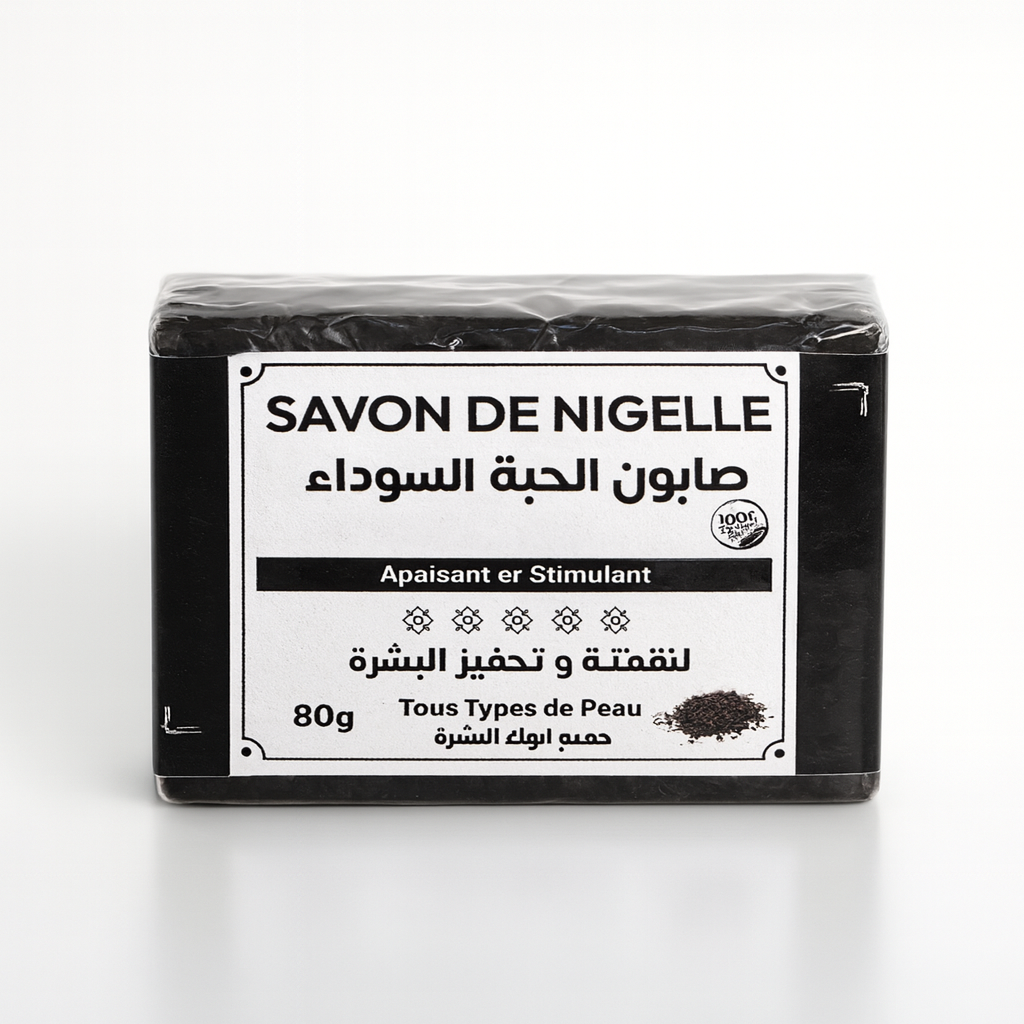
Moroccan black soap (also called savon noir or Beldi soap)
-
A kessa exfoliating glove
-
Ghassoul clay (sometimes labeled rhassoul or rassoul)
-
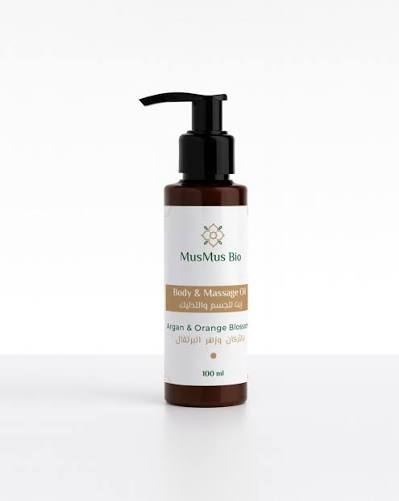
Argan oil, cold-pressed and pure
-
Two towels
-
A warm, steam-friendly bathroom
Skin type matters here. Sensitive skin does better with a gentler black soap formula, and oily skin responds well to clay left on slightly longer during the mask step.
Step 1: Build Steam and Soften the Skin
Run the shower hot enough to fog the mirror, then close the bathroom door and let steam fill the room for five to ten minutes. Stand under warm water without scrubbing or applying anything yet. Pores open gradually, and skin softens on its own, preparing the body for everything that follows. Skipping this step is the most common reason people feel disappointed with their first at-home hammam.
Step 2: Apply Moroccan Black Soap
Coat the entire body in black soap once steam has done its work, avoiding the eye area and private parts. The dark, olive-based paste feels different from regular soap and won't lather the same way. Let it sit on wet skin for five to ten minutes. This dwell time matters, since the soap needs contact time to loosen dead skin cells before exfoliation begins.
Step 3: Exfoliate With a Kessa Glove
Dampen the kessa glove and work in firm, long strokes across the body, moving in one direction rather than scrubbing back and forth. Spend thirty to sixty seconds per area, applying more pressure on rough spots like elbows, knees, and heels, and lighter pressure on the chest and stomach. Grey rolls of dead skin will lift away almost immediately. That's normal, and it's the visible proof the ritual is working. Rinse the glove under warm water every minute or so to keep it effective.
Keep the glove off the face entirely. Facial skin needs a separate, gentler exfoliating product.
Step 4: Apply a Ghassoul Clay Mask
Rinse the body thoroughly to remove soap residue, then mix ghassoul clay with warm water into a smooth paste and apply it across the body and face. Mineral-rich clay from the Atlas mountains draws out impurities and tightens pores as it sits. Leave the mask on for five to ten minutes, until it begins to dry slightly, then rinse it off completely with warm water.
Step 5: Seal Everything With Argan Oil
Pat the skin dry and apply argan oil while it's still slightly damp, which helps lock in moisture more effectively than applying it to bone-dry skin. A few drops go a long way across the body, and the oil absorbs quickly without leaving a greasy film. This final step restores softness after the exfoliation and clay steps strip away roughness, leaving skin smooth and genuinely glowing rather than just clean.
A trusted Moroccan hammam ritual guide from Marocmama outlines a similar sequence and notes that product quality directly affects how authentic the experience feels at home.
For a full set built around these exact steps, MusMus Bio's argan oil collection pairs well with black soap and ghassoul clay for a complete hammam routine.
How Often to Repeat the Ritual
Once a week suits most skin types. Weekly frequency gives skin enough time to regenerate between exfoliation sessions without becoming irritated. Dry or sensitive skin does better with a bi-weekly schedule, while oily or thicker skin can often handle the full ritual weekly without any issue.
Frequently Asked Questions
How do you use Moroccan black soap correctly?
Apply it to wet, warm skin after a few minutes of steam, then let it sit for five to ten minutes before exfoliating with a kessa glove. The dwell time softens dead skin cells and makes exfoliation far more effective.
How long should a hammam ritual take at home?
Most people complete the full ritual, steam, black soap, exfoliation, clay mask, and oil, in 30 to 45 minutes. Rushing any single step reduces the results.
Can you do a hammam ritual without a kessa glove?
A washcloth works in a pinch, but a kessa glove's coarse texture lifts dead skin far more effectively. Results without it tend to feel noticeably milder.
Is ghassoul clay the same as regular clay masks?
Not exactly. Ghassoul comes specifically from Morocco's Atlas mountains and carries a mineral composition suited to drawing out impurities without over-drying skin, unlike some bentonite-based masks.
How often should you do a Moroccan hammam at home?
Once a week works for most skin types. Sensitive or dry skin often does better on a bi-weekly schedule to avoid over-exfoliating.