عربة التسوق
0
Two Products, One Confusing Name
Shoppers searching for black soap online run into two very different products wearing the same label. Beldi black soap, also called savon noir or Moroccan black soap, comes from olive oil and hammam tradition. African black soap comes from West Africa and relies on plantain ash, shea butter, and cocoa pod ash. Wikipedia's entry on the subject notes that Moroccan black soap should not be confused with African black soap, since the ingredients and place of manufacture differ entirely. That single line explains most of the confusion buyers run into.
Confusing the two isn't a small mix-up. Each soap works through a different mechanism, and each suits a different skincare goal.
What Beldi Black Soap Is Made From
Beldi soap starts with crushed black olives and olive oil, saponified with potassium hydroxide rather than the harder sodium hydroxide used in bar soaps. Slow aging over several weeks gives it a soft, paste-like texture with a dark greenish-black color and a faint olive scent. Traditional recipes sometimes fold in argan oil or eucalyptus essential oil, but the olive base stays constant across every authentic version.
Texture separates Beldi soap from almost anything on a drugstore shelf. It doesn't foam. It doesn't come in a bar. Scooped from a jar and rubbed onto wet skin, it works by softening rather than lathering, which sets up the entire hammam ritual that follows.
What African Black Soap Is Made From
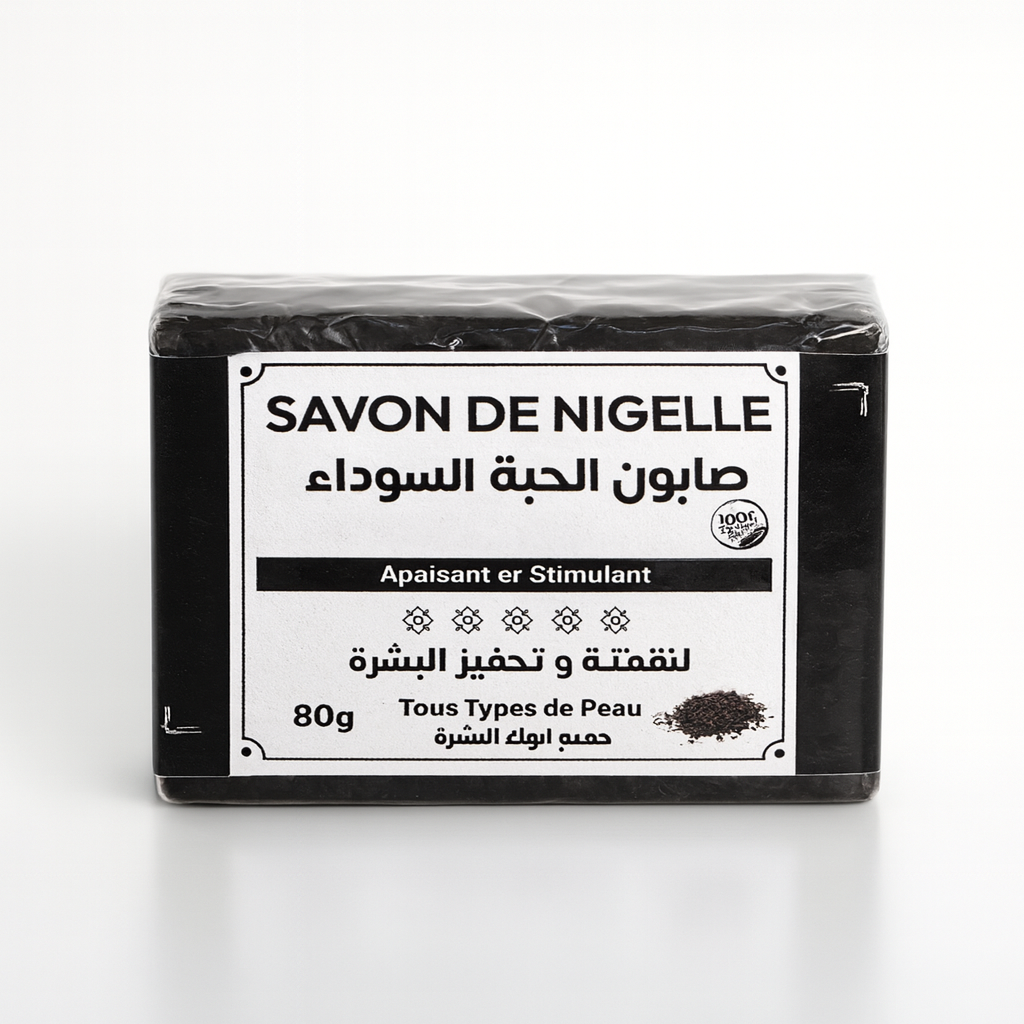
African black soap, often sourced from Ghana or Nigeria, takes a completely different path. Plantain skins, cocoa pods, palm leaves, or shea tree bark get burned into ash, and that ash combines with shea butter, coconut oil, or palm oil to form the finished bar. The color comes from the ash content, and the texture stays firm and bar-shaped, closer to a conventional soap than Beldi's gel-like paste.
Foaming sets it apart immediately. African black soap lathers the way regular soap does, and people use it daily on the face, hair, and body without needing a companion exfoliating tool.
Side-by-Side Comparison
|
Feature |
Beldi (Moroccan) Black Soap |
African Black Soap |
|
Origin |
Morocco |
West Africa (Ghana, Nigeria) |
|
Base ingredients |
Olive oil, macerated olives, potash |
Plantain ash, shea butter, cocoa pod ash |
|
Texture |
Soft, gel-like paste |
Firm bar |
|
Lather |
Minimal to none |
Foams like standard soap |
|
Traditional use |
Hammam ritual with a kessa glove |
Daily face, hair, and body wash |
|
Best for |
Deep exfoliation, pre-scrub softening |
Everyday cleansing, acne-prone skin |
Which One Should You Buy?
Purpose decides the answer here. A weekly hammam ritual calls for Beldi soap paired with a kessa glove, since the two work together to strip away dead skin far more effectively than either does alone. Daily face and body washing, especially for acne-prone or oily skin, tends to suit African black soap better, given its foaming action and antibacterial reputation.
Reading the ingredient list settles most confusion at the point of purchase. Olive oil and potash near the top signal genuine Beldi soap. Plantain ash, cocoa pod ash, or shea butter point to African black soap instead. A jar or tub packaging usually means Beldi; a hardened bar usually means African black soap.
Our Black Soap Collection sources authentic Beldi soap made the traditional way, olive-based and aged slowly, built specifically for hammam-style exfoliation rather than daily lathering.
Common Mistakes to Avoid
Shoppers run into the same handful of issues repeatedly:
-
Buying a bar labeled "Moroccan black soap" that's actually African black soap under a mislabeled name
-
Expecting Beldi soap to foam and assuming a lack of lather means the product is defective
-
Skipping the kessa glove step entirely, which cuts Beldi soap's exfoliating power dramatically
-
Using African black soap for a hammam ritual, where its firm bar texture doesn't pair well with steam-based exfoliation
Checking the ingredient panel before checkout avoids nearly all of these problems.
Frequently Asked Questions
Is Beldi soap the same as African black soap?
No. Beldi soap comes from Morocco and uses an olive-oil base, while African black soap comes from West Africa and relies on plant ash and shea butter. The two share a name but nothing in ingredients or texture.
Can you use African black soap in a hammam ritual?
Technically, yes, though it won't deliver the same softening effect Beldi soap provides before exfoliation. Beldi's paste texture and dwell time suit the hammam sequence far better.
Why doesn't Beldi black soap foam like regular soap?
Its saponification process and olive-oil base create a soft, gel-like consistency rather than a lathering one. Minimal foam is normal and doesn't indicate a lower-quality product.
Which black soap works better for acne?
African black soap's antibacterial reputation and daily-use formula make it a common pick for acne-prone skin, though results vary by individual skin type.
How can you tell if black soap is authentic Beldi soap?
Check the ingredient list for olive oil and potash near the top, and look for a soft, paste-like texture sold in a jar rather than a hardened bar.