Cart
0
Steam fills the room first, thick enough to soften skin before anyone touches a scrub or soap. Moroccan households have practiced this ritual for generations, treating the hammam as a weekly reset rather than an occasional spa treat. Confusion around what actually happens inside a beldi bath keeps many newcomers hesitant to try one.
This guide walks through the real sequence, steam, black soap, exfoliation, clay, and rinse, explaining what each stage does for the skin and why the order matters.
What "Beldi" Actually Means
Beldi translates roughly to "traditional" or "local" in Moroccan Arabic, and it applies specifically to the authentic, homegrown version of the hammam ritual rather than a modern spa reinterpretation. A beldi bath uses the same core products Moroccan families have relied on for generations: black soap, a rough exfoliating glove called a kessa, and mineral-rich clay.
Public hammams still operate across Moroccan cities exactly this way, offering a shared steam room where locals bathe communally on a set schedule. The ritual translates just as effectively at home with the right products, minus the communal setting.
Step One: The Steam Room
Heat and humidity open the ritual, softening skin and preparing it for deeper cleansing. Traditional hammams use wood-fired boilers to generate steam, though a hot shower or steamy bathroom works fine for a home version.
Ten to fifteen minutes in steam typically loosens dead skin cells and opens pores enough for the next step to work properly. Rushing this stage limits how effectively the following products penetrate and exfoliate.
Step Two: Applying Black Soap (Savon Beldi)
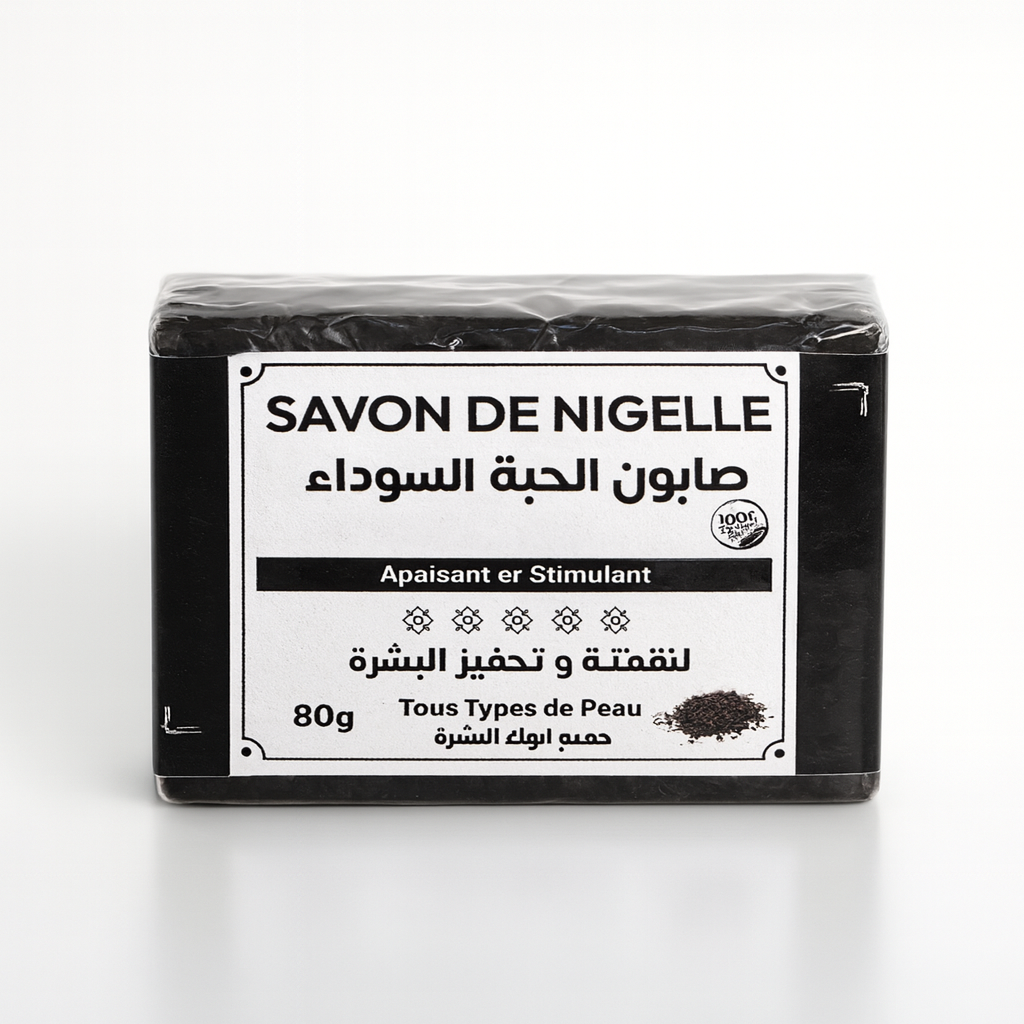
Traditional black soap, made from macerated olives and enriched with essential oils, gets massaged generously over damp skin and left to sit. This isn't a typical foaming soap; the texture feels thick, almost paste-like, and it works by loosening dirt and dead skin rather than lathering it away immediately.
Moroccan black soap with argan oil sits on the skin for five to ten minutes during this stage, continuing to soften the surface while the steam room's humidity keeps everything from drying out. Some versions include lemon or eucalyptus for added freshness, each suited to slightly different skin needs.
Step Three: Exfoliation With the Kessa Glove
A rough, textured mitt called a kessa does the heavy lifting here, scrubbing away the dead skin the black soap already loosened. Long, firm strokes across arms, legs, back, and torso reveal noticeably smoother skin underneath, often visible immediately as dead cells roll off.
This step surprises first-timers the most since visible debris appears during scrubbing, a normal and expected part of the process rather than a sign of poor hygiene. Sensitive skin areas need lighter pressure, while thicker-skinned areas like elbows and knees tolerate firmer scrubbing.
Step Four: Clay Treatment (Ghassoul)
Volcanic clay from Morocco's Atlas Mountains, known as ghassoul, follows exfoliation to draw out remaining impurities and mineralize the skin. Mixed into a paste with water or rose water, this clay coats the body in a mask-like layer that dries slightly before rinsing.
Prepared ghassoul clay works particularly well on oily or congested skin, since its mineral content absorbs excess oil without stripping natural moisture the way harsher clays sometimes do. Hair benefits from this step too; many hammam routines include a ghassoul hair mask alongside the body treatment.
Step Five: Final Rinse and Moisture
Warm water rinses away soap, dead skin, and clay residue, revealing skin that feels noticeably smoother and softer than before the ritual began. Cool water sometimes finishes the process, closing pores and adding a refreshing contrast after extended heat exposure.
Argan oil or a nourishing body cream typically follows once skin dries, locking in the moisture the ritual just uncovered. Skipping this step leaves skin slightly more prone to dryness given how thoroughly the previous stages exfoliated.
Bringing the Hammam Ritual Home
A full hammam experience doesn't require a public bathhouse or professional space. Steam from a hot shower, a quality black soap, a kessa glove, and prepared ghassoul clay recreate the core sequence in any home bathroom.
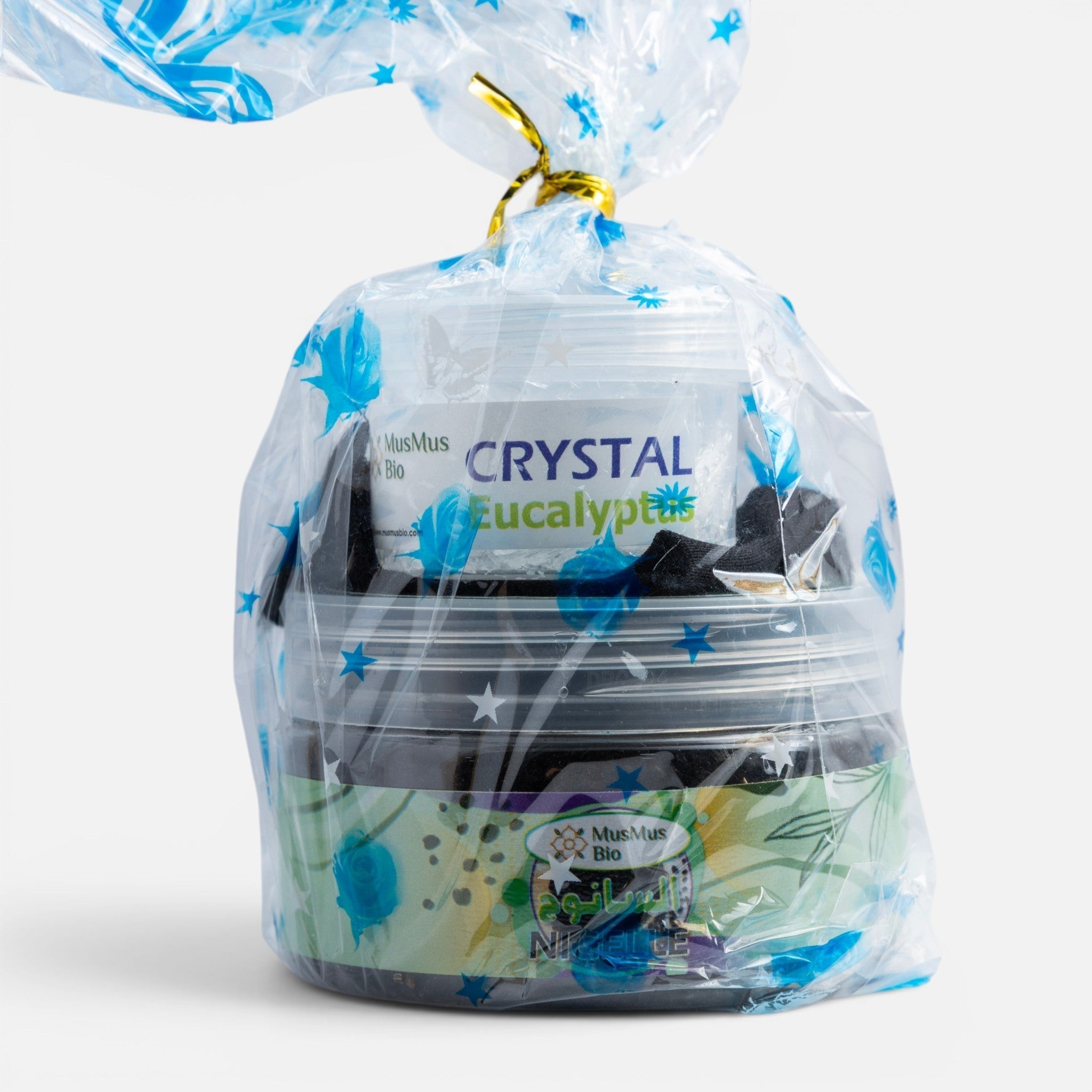
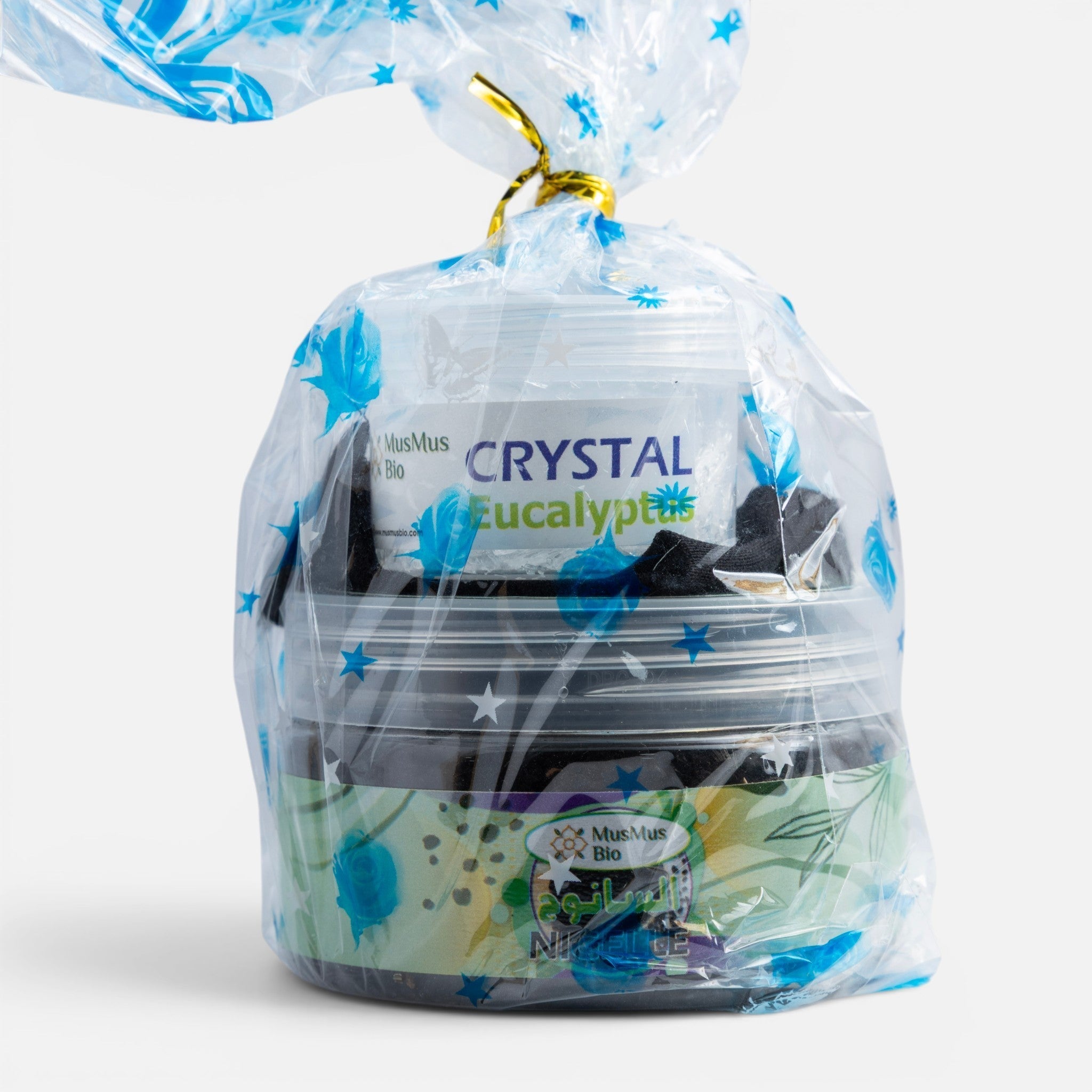
A Moroccan Hammam Spa Set bundles the essentials together for anyone starting out, removing the guesswork around which products pair well. Weekly practice mirrors how Moroccan households actually use this ritual, not as a rare indulgence but as regular, functional skincare.
Exploring the full Bath & Hammam collection shows the range of soaps, clays, and tools available for building a complete at-home routine.
Frequently Asked Questions
How often should someone do a full hammam ritual? Once weekly works well for most skin types, closely matching how Moroccan households traditionally practice the ritual as part of a regular routine.
Does the hammam ritual work for sensitive skin? Yes, with lighter kessa pressure and shorter exfoliation time. Milder black soap variants, without added lemon or strong essential oils, suit sensitive skin especially well.
What's the difference between ghassoul clay and regular bentonite clay? Ghassoul comes specifically from Morocco's Atlas Mountains and carries a distinct mineral composition, while bentonite originates from various global sources with different absorption properties.
Can the hammam ritual replace regular exfoliation elsewhere in a skincare routine? Largely yes for body skin, since the kessa glove and black soap combination exfoliates thoroughly. Facial skin typically needs gentler, separate products given its increased sensitivity.
A hammam ritual rewards consistency over intensity, each step building on the last rather than working in isolation. Steam opens the door, black soap and the kessa glove do the real work, and ghassoul clay finishes the job, leaving skin the way generations of Moroccan households have always kept it: soft, clean, and genuinely cared for.