
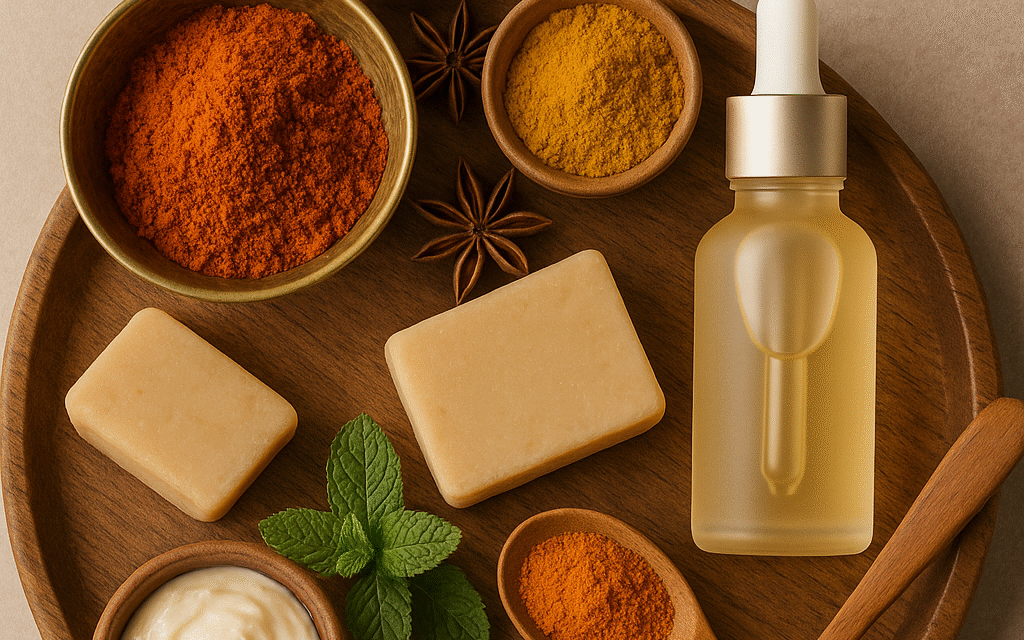
Moroccan spices fill daily life with warmth, color, and meaning. People often think of these spices only in food, yet their role reaches far beyond cooking. Families across Morocco have used spices for beauty care and wellness for hundreds of years. These natural ingredients support the skin, hair, body, and even the mind.
Traditional Moroccan beauty rituals rely on simple methods. Women learn these practices from mothers and grandmothers. The goal stays clear. Natural care should protect the body and keep it in balance with nature. Spices offer gentle support without harsh effects. This wisdom still shapes modern Moroccan beauty and wellness routines.
Cultural Roots of Moroccan Spice Rituals
Morocco sits at the crossroads of Africa, the Middle East, and Europe. Trade routes brought spices from many lands. Over time, local people adapted these ingredients for health and self-care. Markets in cities like Marrakech and Fez display piles of turmeric, cumin, ginger, and saffron. Each spice carries history and daily value.
Beauty rituals often take place in the hammam. This public bath acts as a place for cleansing, rest, and social bonding. Spices, herbs, and clays play a key role in this experience. Natural scents fill the air and calm the senses. Care for the body connects deeply with care for the spirit.
Turmeric and Skin Balance
Turmeric holds a strong place in Moroccan skincare. People value this golden spice for its calming effect on the skin. Many women mix turmeric with honey or yogurt to create a simple face mask. This blend helps reduce redness and supports an even skin tone.
Short rituals matter more than complex routines. A small amount of turmeric works best. Skin feels soft and refreshed after use. Families trust this method because it relies on nature rather than chemicals. Modern skincare brands now use turmeric in masks and creams inspired by these traditions.
Cinnamon for a Healthy Glow
Cinnamon adds warmth to both food and skincare. Moroccan women use it in small amounts in body scrubs. The spice helps boost blood flow and gives the skin a gentle glow. Salt or sugar is often combined with cinnamon to remove dead skin.
Careful use remains essential. Too much cinnamon can irritate sensitive skin. Traditional knowledge guides the correct balance. Soft skin and a light scent remain the desired result. This spice also brings comfort through its familiar aroma.
Rhassoul Clay and Spice Blends
Rhassoul clay comes from the Atlas Mountains and plays a major role in Moroccan beauty care. Women mix this clay with water, rose water, or herbal infusions. Ground spices are sometimes added to the blend for extra care and scent.
Masks made with rhassoul clay cleanse pores and absorb excess oil. The skin feels clean without dryness. Spices add warmth and a touch of tradition. Hammam rituals often include this step as part of a full-body care routine.
Fenugreek for Strong Hair
Hair care traditions in Morocco rely on patience and routine. Fenugreek seeds stand out as a trusted remedy. Women soak the seeds overnight and grind them into a paste. This paste is applied to the scalp and hair roots.
Fenugreek helps reduce dryness and supports stronger hair. Many believe it also helps with shedding. The scent may feel strong at first, yet results matter more than smell. Natural oils often follow the Treatment to seal moisture.
Rosemary for Shine and Vitality
Rosemary plays a quiet yet powerful role in Moroccan hair rituals. Women boil rosemary leaves in water and use the liquid as a hair rinse. This practice supports scalp health and adds shine.
Rural areas still rely on this method today. Fresh rosemary grows easily and costs little. Hair feels lighter and looks healthier with regular use. Modern hair oils now include rosemary as a key ingredient, inspired by this tradition.
Spices and Daily Wellness
Moroccan wellness extends beyond beauty. Spices support digestion, comfort, and emotional balance. Cumin tea often follows meals. This drink helps reduce bloating and supports digestion.
Ginger serves as a winter favorite. People drink it in tea to warm the body and fight fatigue. Families value ginger for its simple strength and comfort.
Saffron holds a special status due to its price and rarity. Small amounts steeped in milk or tea help improve mood and promote calm. Many people save saffron for special moments or healing rituals.
The Hammam Experience and Herbal Tea
The hammam ritual connects beauty and wellness into one experience. Steam opens pores and relaxes muscles. Exfoliation removes dead skin. Natural soaps and clays cleanse deeply.
After this process, people often drink mint tea mixed with cinnamon or clove. The warm drink helps the body relax and restore balance. Care continues from the skin to the inner body.
Simple Ways to Use Moroccan Spices at Home
Moroccan rituals do not require travel or complex tools. A small turmeric mask at home offers skin comfort. A rosemary rinse adds shine to hair. Cumin tea after dinner supports digestion.
Consistency matters more than quantity. Natural care works best with gentle use. Short routines fit easily into daily life. These small moments encourage calm and self-respect.
Why Moroccan Spice Traditions Still Matter
Modern beauty trends change quickly. Moroccan spice rituals remain steady. Their value comes from simplicity and trust in nature. These practices respect the body rather than fight it.
Natural ingredients reduce the need for harsh products. Short routines minimize stress. Care becomes a quiet habit instead of a task.
A Connection Between Nature and Care
Moroccan spices tell a story that blends beauty, wellness, and culture. Each spice reflects patience, knowledge, and respect for nature. These traditions remind people that care does not need to be complex.
Simple rituals create lasting results. A calm moment with tea or a gentle mask can restore balance. Moroccan wisdom invites a slower pace and deeper care for the body and mind.
Exploration of these traditions can continue through hammam rituals, herbal oils, and natural skincare. Each step brings a deeper connection to centuries of knowledge. Natural care remains a gift passed from generation to generation.